
Project LEAD 2026: A Transformative Step in My Breast Cancer Research Advocacy Journey
Updated: Sep 8
Community Scientist shares about her experience attending the 2026 Project LEAD® Institute as a representative of Hawaiʻi.

Editor's Note:
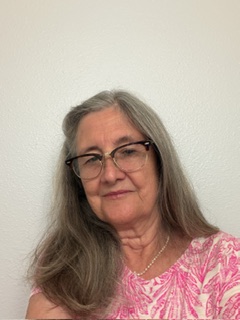
Karen Kalanta was selected to participate in the National Breast Cancer Coalition’s 2026 Project LEAD® Institute. With more than 30 years of healthcare experience, her perspective as a patient advocate, and her lived experience as a breast cancer survivor, she brings a unique and valuable voice to this important work. Karen's reflections offer a thoughtful look into her cancer journey and the importance of patient voices in advancing cancer research and care in Hawaiʻi.
Receiving a breast cancer diagnosis changed my life forever—in ways I could have never imagined. As a nurse, I have always been a patient advocate, committed to providing safe, effective, patient-centered, high-quality care. The lived experiences I gained at the bedside have been humbling gifts of grace. When I received my diagnosis, those experiences came flooding back, and I was challenged once again to advocate—not only for others, but also for myself. That experience deepened my calling to become involved as a cancer research patient advocate.
Science is the language of research. Although I studied the basic sciences in nursing, I recognized that I needed additional education to fully serve as a cancer research patient
advocate. Dr. Loo’s presentation on the “Hallmarks of Cancer” was only the beginning. Having Dr. Jason Lee as a Community Scientist peer mentor provided an excellent introduction to cancer research and helped me view the research process through a new lens. Attending local oncology conferences further strengthened my learning, but I knew I wanted—and needed—additional basic science education from a cancer research perspective. National Breast Cancer Coalition (NBCC) Project LEAD 2026 provided that opportunity.
Learning the Science Behind Advocacy
NBCC’s mission and vision, as stated on its website, is “to end breast cancer for everyone,
everywhere, through the power of action and advocacy.” Patient advocates are integral to
that mission, whether through policy-focused involvement at the national or local level or
as partners in research. Project LEAD is one of NBCC’s educational platforms designed to
prepare advocates for these essential roles, roles intended to create meaningful change and help end breast cancer for everyone.
Inside the Project LEAD Experience
After completing the pre-course work and arriving at Project LEAD, I came to understand
more clearly that effective advocacy depends on scientific literacy. The program helped connect my lived experience with the scientific knowledge needed to recognize quality research, and it showed me how these two foundations work together in research advocacy.

Project LEAD was an intense six-day educational program focused on the basic sciences as applied to research, including the cell cycle, DNA synthesis, research models, clinical trial development frameworks, epidemiology, immunology, and the fundamentals of reading and evaluating research. The week centered not on personal experiences as patients, thrivers, or survivors, but on preparing knowledgeable patient advocates to advance NBCC’s mission to end breast cancer.
Preparing knowledgeable patient advocates to advance NBCC's mission to end breast cancer.
Guest speakers included scientists, researchers, and clinicians from universities, cancer centers, and scientific communities across the continental United States, from the East Coast to the West Coast, reminding us that “breast cancer is not just one disease.” Our class included more than 40 women of all ages and from many walks of life—most of whom were breast cancer survivors and thrivers, though not all. Participants traveled from Brazil, the Cayman Islands, Africa, and across the United States to begin or deepen their advocacy journeys.
Each day, we met in assigned mentored groups led by a Project LEAD graduate. Together, we reviewed the lecture materials, discussed questions that reinforced the presentations, and connected what we were learning to the broader research process. The day’s speaker often joined these discussions, offering additional insight, helping us apply the content in meaningful ways.
For me, the week became another life-changing experience.
Relationship-building was also a meaningful part of the experience. Over shared meals, we exchanged stories with classmates, mentors, and faculty, forming connections that enriched the week and strengthened our sense of community. The program concluded with group presentations, each focused on a specific topic central to our learning. For me, the week became another life-changing experience—both professionally and personally.

Continuing the Journey
Project LEAD marks the beginning of my continued learning as a University of Hawai‘i Cancer Center patient advocate and Community Scientist. Through this work, I hope to support cancer research, contribute to meaningful change, and help advance progress toward ending breast cancer. I also hope others will consider Project LEAD as an opportunity to deepen their own advocacy journeys.

My sincere gratitude to Joanne, Jayna, Dr. Iwase, and Dr. Lee for their support in helping make Project LEAD a reality for me. I am grateful to my fellow Community Scientist, Sage, for her enthusiasm and for sharing what she learned at the San Antonio Breast Cancer Symposium last December. I look forward to attending the conference this coming year and continuing this work alongside other patient advocates committed to ending breast cancer.
Disclaimer
The views and opinions of our blog writers represent their personal views and opinions and not those of Breast Cancer Hawaii. Through our blog, we seek to give individuals creative freedom to share their personal experiences. Please do not rely on this information as a substitute for a professional's medical advice, diagnosis, or treatment. If you have any concerns or questions about your health, please consult with a physician or other healthcare professional.

Karen A. Kalanta, RN, MSN, is a dedicated patient advocate who serves as a Community Scientist and Patient Advocacy Council member with the UHCC. She champions the patient voice by partnering with researchers and advocates to advance patient-centered cancer research, supporting efforts to end all cancers.
Comments